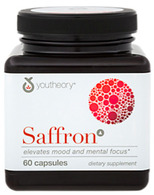
Directions: (Adults) Take two (2) capsules daily with water.
Ingredients: 2 Capsules supply:
Rhodiola (root) (Rhodiola rosea) extract 350 mg
Ashwagandha (root, leaf) extract (Sensoril®) 150 mg
Saffron (stigma) (Crocus sativus L.) (Affron®) 30 mg
Other Ingredients: Vegetable cellulose (capsule), microcrystalline cellulose, croscarmellose sodium, vegetable magnesium stearate, silicon dioxide.
Warning: Check with your doctor before using this product if you are taking medication or have any medical conditions. Do not use if pregnant or nursing. Do not exceed the recommended daily intake. Not intended for persons under 18.
The information provided is for educational purposes only and is not intended to replace professional medical advice. Always consult with a qualified healthcare provider for personalized medical guidance.
 This content was generated by AI. Please use your own judgment and consult the manufacturer for more accurate information.
Ingredients in Saffron
- Crocin
- Picrocrocin
- Safranal
- Crocetin
The information provided is for educational purposes only and is not intended to replace professional medical advice. Always consult with a qualified healthcare provider for personalized medical guidance.
This content was generated by AI. Please use your own judgment and consult the manufacturer for more accurate information.
Health Benefits of Saffron
- Rich in Antioxidants: Saffron contains plant compounds that act as antioxidants, protecting cells from damage caused by free radicals.
- May Improve Mood: Some studies suggest that saffron may have antidepressant properties and could help improve mood in individuals.
- May Aid in Weight Loss: Saffron may help in weight management by reducing appetite and curbing cravings.
- May Reduce PMS Symptoms: Research indicates that saffron may help alleviate symptoms of premenstrual syndrome (PMS) such as mood swings and cravings.
- May Improve Memory: Some studies suggest that saffron may have a positive impact on memory and cognitive function.
- May Have Anti-Inflammatory Properties: Saffron contains compounds that may help reduce inflammation in the body.
- May Help Lower Blood Pressure: Saffron may have a beneficial effect on blood pressure levels, potentially helping to reduce hypertension.
The information provided is for educational purposes only and is not intended to replace professional medical advice. Always consult with a qualified healthcare provider for personalized medical guidance.
This content was generated by AI. Please use your own judgment and consult the manufacturer for more accurate information.
Best Practices for Using Saffron
- Purchase high-quality saffron
- Store saffron properly
- Use saffron in cooking
- Avoid overcooking saffron
- Use saffron in beverages
- Consult with a healthcare professional
The information provided is for educational purposes only and is not intended to replace professional medical advice. Always consult with a qualified healthcare provider for personalized medical guidance.
This content was generated by AI. Please use your own judgment and consult the manufacturer for more accurate information.
Saffron
Overview
Saffron is a highly prized spice derived from the flower of Crocus sativus, commonly known as the "saffron crocus." It is known for its distinct flavor, aroma, and vibrant color, making it a popular ingredient in various cuisines around the world.
Health Benefits
Saffron contains several plant compounds that are believed to have medicinal properties. Some potential health benefits of saffron include:
- Rich in antioxidants that may help protect cells from damage
- May have anti-inflammatory properties
- May help improve mood and reduce symptoms of mild to moderate depression
- May aid in appetite control and weight management
Usage
Saffron is commonly used in cooking to add flavor and color to dishes. It is often used in rice dishes, soups, sauces, and desserts. Due to its high cost, saffron is typically used sparingly and added towards the end of cooking to maximize its flavor.
Warnings
While saffron is generally safe for most people when consumed in food amounts, high doses of saffron supplements may have adverse effects. Pregnant women should avoid consuming large amounts of saffron as it may stimulate uterine contractions. People with certain medical conditions or allergies should consult a healthcare provider before consuming saffron supplements.
Sources:
Information sourced from WebMD - Saffron Health Benefits
The information provided is for educational purposes only and is not intended to replace professional medical advice. Always consult with a qualified healthcare provider for personalized medical guidance.
This content was generated by AI. Please use your own judgment and consult the manufacturer for more accurate information.
Comparison of Saffron with Similar Products
Saffron is a popular spice derived from the Crocus sativus flower. It is known for its distinct flavor, aroma, and vibrant color. Let's compare saffron with similar products:
Saffron vs Turmeric
Turmeric is another spice commonly used in cooking and is known for its health benefits. While both saffron and turmeric have anti-inflammatory properties, saffron is more expensive and has a more delicate flavor profile compared to the earthy taste of turmeric.
Saffron vs Paprika
Paprika is a spice made from ground peppers and is often used to add color and flavor to dishes. Saffron is more expensive than paprika and has a more intense flavor profile. Saffron is also known for its use in traditional dishes like paella, while paprika is commonly used in a variety of cuisines.
Saffron vs Cumin
Cumin is a spice with a warm, earthy flavor commonly used in Indian, Middle Eastern, and Mexican cuisines. Saffron, on the other hand, has a more floral and slightly sweet taste. Cumin is more affordable than saffron and is used in a wide range of savory dishes.
Overall, saffron stands out for its unique flavor, aroma, and vibrant color, making it a prized spice in many culinary traditions.
The information provided is for educational purposes only and is not intended to replace professional medical advice. Always consult with a qualified healthcare provider for personalized medical guidance.
This content was generated by AI. Please use your own judgment and consult the manufacturer for more accurate information.
Saffron Review
Saffron is a highly prized spice derived from the flower of Crocus sativus, commonly known as the saffron crocus. It is known for its distinct flavor, aroma, and vibrant color. Saffron has been used for centuries in various cuisines, traditional medicine, and even in perfumery.
Health Benefits of Saffron:
- Rich in antioxidants that help protect cells from damage and reduce inflammation.
- May improve mood and reduce symptoms of mild to moderate depression.
- Has potential anti-cancer properties due to its compounds that inhibit the growth of cancer cells.
- May aid in weight loss by suppressing appetite and reducing cravings.
- Has anti-inflammatory properties that may help in reducing symptoms of arthritis.
Usage of Saffron:
Saffron can be used in various forms including threads, powder, or extracts. It is commonly added to dishes like rice, soups, stews, and desserts to impart a unique flavor and color. Saffron is also used in teas and infusions for its potential health benefits.
Warnings and Precautions:
While saffron is generally safe for most people when consumed in moderate amounts as a spice in food, it is important to note the following:
- High doses of saffron may be toxic and cause side effects such as dizziness, nausea, and vomiting.
- People with certain medical conditions or allergies should consult a healthcare provider before consuming saffron supplements.
- Pregnant women should avoid consuming large amounts of saffron as it may stimulate uterine contractions.
Conclusion:
Saffron is a versatile spice with potential health benefits when consumed in moderation. Its rich history and culinary uses make it a valuable addition to various dishes. However, it is important to be mindful of the dosage and potential side effects when using saffron as a supplement.
For more information on saffron, you can visit the official website of The Saffron Company.
The information provided is for educational purposes only and is not intended to replace professional medical advice. Always consult with a qualified healthcare provider for personalized medical guidance.
This content was generated by AI. Please use your own judgment and consult the manufacturer for more accurate information.
Alternative to Saffron: Turmeric
Turmeric is a popular spice that can be used as an alternative to saffron in cooking and baking. It is known for its vibrant yellow color and earthy flavor, making it a great substitute for saffron in many dishes.
According to Healthline, turmeric is a potent anti-inflammatory and antioxidant spice that has been used in traditional medicine for centuries. It contains a compound called curcumin, which has been studied for its potential health benefits, including reducing inflammation and improving cognitive function.
When using turmeric as a substitute for saffron, keep in mind that turmeric has a more intense flavor and can stain surfaces easily. It is best to use turmeric in small amounts to avoid overpowering the dish with its flavor and color.
The information provided is for educational purposes only and is not intended to replace professional medical advice. Always consult with a qualified healthcare provider for personalized medical guidance.